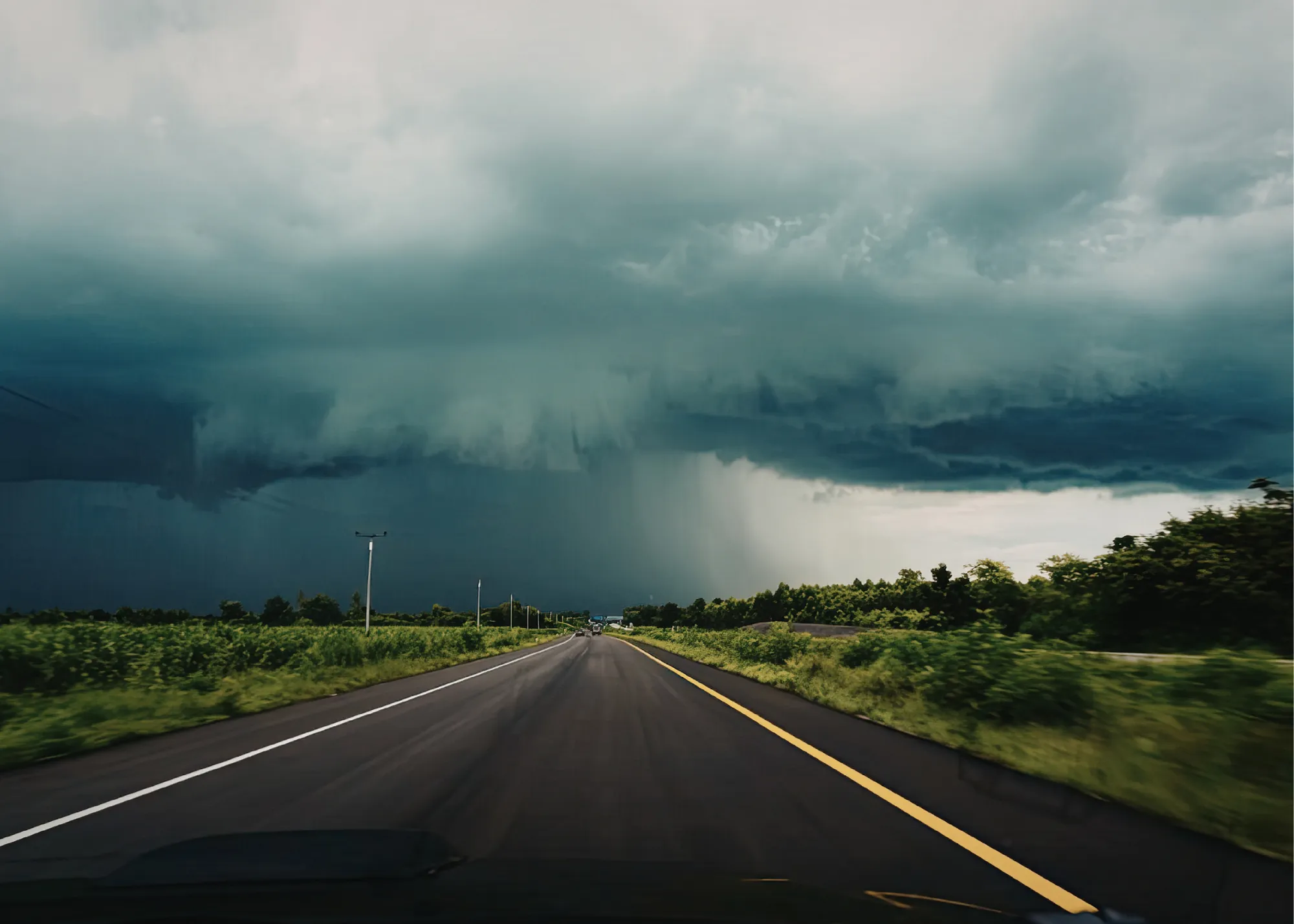
Alabama sits in the heart of "Dixie Alley" — one of the most tornado-prone regions in the entire country. The state averages more than 60 tornadoes per year, and the months of April and May represent peak severe weather season. For residents of Huntsville and Madison County, severe storms are not an abstract threat. They are a deeply personal reality that shapes how families prepare, build, and live their lives.
North Alabama has experienced devastating storms throughout its history, from the 1989 Huntsville tornado to the catastrophic April 2011 Super Outbreak. Each year, tornadoes, straight-line winds, hail, and flash flooding leave behind a trail of property damage, injuries, and loss that can take months or even years to fully recover from.
Most people assume that storm injuries are simply "bad luck" — the unavoidable result of living in a severe weather corridor. And in many cases, that is true. But what many people do not realize is that in a significant number of storm-related injury cases, another party's negligence may have made the damage worse or even caused it in the first place. When that happens, the injured person may have a legal claim for compensation.
This article is designed to help Huntsville residents understand when storm-related injuries go beyond bad luck and become valid legal claims — and what steps you can take to protect your rights.
Alabama's Severe Weather Reality
Alabama consistently ranks among the top states in the nation for tornado frequency and tornado-related fatalities. The term "Dixie Alley" was coined to describe the corridor of severe tornado activity stretching from the lower Mississippi Valley through Alabama and into the Tennessee Valley — and Huntsville sits squarely within it.
The statistics are sobering. Alabama averages more than 60 tornadoes per year, and the state has experienced some of the deadliest tornado events in modern American history. On November 15, 1989, an F4 tornado struck Huntsville directly, killing 21 people and injuring 463 more. The tornado cut a path of destruction across Airport Road and into residential neighborhoods, leaving more than 1,000 people homeless and causing over $100 million in damage.
The April 2011 Super Outbreak was even more devastating for North Alabama. Over a span of just a few days, Alabama was struck by dozens of tornadoes, including multiple EF4 and EF5 storms. The outbreak killed 252 people in Alabama alone and caused billions of dollars in damage across the state. Madison County, Limestone County, and the broader Tennessee Valley were heavily impacted.
Madison County falls within the territory of the National Weather Service's Huntsville office, which is responsible for monitoring severe weather across much of North Alabama and southern Tennessee. The NWS Huntsville office issues tornado warnings, severe thunderstorm warnings, and flash flood warnings that are critical to keeping residents safe.
But tornadoes are only part of the picture. Straight-line winds — which can exceed 100 miles per hour during severe thunderstorms — cause significant structural damage and injuries every year. Large hail can shatter windows, damage roofs, and injure people caught outdoors. Flash flooding, which can develop rapidly during heavy rainfall events, is one of the leading weather-related causes of death in Alabama. All of these hazards create situations where injuries can occur — and where legal liability may exist.
When Storm Injuries Become Legal Claims
Not every storm injury is simply an "act of God." While Alabama certainly experiences powerful and sometimes unpredictable severe weather, there are many situations in which human negligence plays a direct role in causing or worsening storm-related injuries. When that happens, the injured person may have a valid personal injury claim.
Legal claims can arise from storm-related injuries in a variety of circumstances, including:
- A landlord failed to maintain a rental property, and the structure collapsed or suffered preventable damage during a storm. Roofs in disrepair, weakened foundations, windows that won't close properly, and missing storm shutters are all examples of maintenance failures that can turn a survivable storm into a catastrophic one for tenants.
- An employer did not provide adequate shelter or evacuation plans for employees. Federal OSHA regulations require employers to have emergency action plans, and Alabama employers have a duty to protect their workers during severe weather events. When an employer ignores tornado warnings or fails to designate safe shelter areas, employees who are injured may have a legal claim.
- A tree that a property owner knew was dead or damaged fell on a person, vehicle, or structure during a storm. Property owners have a duty to inspect and maintain trees on their land. A tree that was visibly dead, diseased, or leaning dangerously should have been removed before a storm knocked it down.
- A business failed to secure outdoor equipment, signage, or furniture that became a dangerous projectile during high winds. Restaurants with unsecured patio furniture, businesses with improperly mounted signs, and commercial properties with loose construction materials can all create hazards during storms.
- A construction site left building materials unsecured that caused damage or injury during a storm. Construction companies have a responsibility to secure materials, scaffolding, and equipment against foreseeable weather events. When they fail to do so, debris can cause serious injuries to people on adjacent properties.
- A utility company's negligent maintenance of power lines caused electrocution or fire during storm cleanup. Downed power lines are among the most dangerous post-storm hazards, and utility companies have a duty to respond promptly and maintain their infrastructure to reduce the risk of electrocution and fire.
In each of these situations, the storm may have been the triggering event, but human negligence is what turned a dangerous weather event into a preventable injury. That distinction is critical under Alabama law.
Types of Storm-Related Personal Injury Claims
Storm-related personal injury claims can take several forms, depending on the circumstances of the injury and the parties involved.
Premises Liability
Premises liability claims arise when a property owner's failure to maintain their property leads to injuries during a storm. Landlords, commercial property owners, and even homeowners may be held liable if they knew about a dangerous condition — such as a compromised roof, weakened walls, or hazardous trees — and failed to address it. In Alabama, the standard is whether the property owner knew or should have known about the hazard and whether they took reasonable steps to address it.
Employer Negligence
Employers have a legal duty to protect their workers during severe weather events. OSHA requires most employers to have an emergency action plan that includes procedures for tornadoes and severe storms. If an employer failed to develop such a plan, ignored tornado warnings, did not designate safe shelter areas, or required employees to continue working in unsafe conditions during a severe weather event, they may be liable for injuries that resulted. Workers' compensation may also be available, but in some cases a separate negligence claim may provide additional compensation.
Vehicle Accidents During Severe Weather
Severe weather increases the risk of vehicle accidents due to reduced visibility, standing water on roadways, and high winds. While drivers are generally expected to adjust their behavior during bad weather, a driver who is speeding, tailgating, or otherwise driving recklessly during a storm may be held liable for a collision. Commercial truck drivers and their employers may face additional liability if they failed to pull over during dangerous conditions.
Falling Trees and Structures
When a tree or structure falls on a person or property during a storm, the question of liability depends on whether the property owner knew or should have known that the tree or structure was in a dangerous condition. A property owner who ignores a dead tree for years, or who fails to repair a deteriorating retaining wall, may be negligent even though the storm was the proximate cause of the collapse. Arborist reports, prior complaints from neighbors, and building inspection records can all serve as evidence of the owner's knowledge.
Construction Site Debris
Construction sites present particular hazards during severe weather because they often contain large quantities of loose materials, including lumber, roofing materials, scaffolding, and heavy equipment. Construction companies and general contractors have a duty to secure their sites against foreseeable weather events, especially during tornado season. When construction debris becomes airborne and injures someone on a neighboring property or roadway, the construction company may be liable for those injuries.
Utility Company Negligence
After a storm passes, the cleanup period can be just as dangerous as the storm itself. Downed power lines, ruptured gas lines, and flooded electrical systems all present serious hazards. Utility companies have a duty to respond promptly to reports of downed lines and to maintain their infrastructure to minimize the risk of post-storm electrocution and fires. When they fail to do so, they may be held liable for injuries that result during the cleanup period.
The "Act of God" Defense — and Its Limits
If you pursue a storm-related personal injury claim in Alabama, there is a good chance the defendant will raise what is known as the "act of God" defense. This legal doctrine holds that certain natural events — such as tornadoes, hurricanes, earthquakes, and floods — are so extraordinary and unforeseeable that no human action could have prevented the resulting harm.
When the act of God defense applies, the defendant is essentially arguing that the storm, not their conduct, was the sole cause of the plaintiff's injuries. And in some cases, this defense is valid. If a perfectly maintained building is destroyed by a direct hit from an EF5 tornado, the building owner is unlikely to be found negligent.
However, Alabama law recognizes that the act of God defense has significant limits. If human negligence combined with the natural event to cause or worsen the plaintiff's injuries, the defendant may still be held liable. The key legal question is: Was the injury foreseeable even without the storm, or did the defendant's negligence make the storm's impact worse than it should have been?
A property owner who ignores a dead tree for years cannot simply point to a tornado and claim they bear no responsibility when that tree falls on a neighbor's house. A landlord who refuses to repair a deteriorating roof cannot hide behind an "act of God" defense when the roof collapses during a storm that a properly maintained roof would have survived. The storm may have been the triggering event, but the negligence is what turned a weather event into an injury.
Alabama courts examine these cases on their individual facts, looking at what the defendant knew, what they should have done, and whether their failure to act was a substantial contributing factor to the plaintiff's injuries.
Alabama's 2-Year Statute of Limitations
Under Alabama law, the statute of limitations for personal injury claims is two years. This deadline is established by Ala. Code Section 6-2-38, and it applies to most storm-related personal injury claims as well.
The clock generally starts running on the date of the injury, which in storm cases is typically the date of the storm itself. However, there are some situations where the clock may start later — for example, if an injury was not immediately apparent and was only discovered during subsequent medical treatment.
Two years may sound like a long time, but in the aftermath of a major storm, it passes more quickly than most people expect. Families dealing with property damage, temporary housing, insurance claims, and physical recovery can easily lose track of legal deadlines. And once the two-year window closes, you will almost certainly lose your right to file a lawsuit, regardless of how strong your case may be.
It is also important not to assume that insurance will handle everything. Insurance claims and personal injury lawsuits are separate legal processes. Even if you are working with your insurance company, you should consult with a personal injury attorney to determine whether you also have a legal claim against a third party whose negligence contributed to your injuries. Doing so before the statute of limitations expires is essential.
Insurance vs. Lawsuit: When Insurance Isn't Enough
After a storm, most people's first instinct is to file an insurance claim — and that is often the right first step. Homeowner's insurance, renter's insurance, and auto insurance may cover some of the damage caused by severe weather, including property damage, temporary living expenses, and vehicle repairs.
However, insurance has significant limitations. Standard homeowner's and renter's insurance policies typically cover property damage but may not fully compensate you for personal injuries, lost wages, pain and suffering, or long-term medical expenses. Additionally, insurance policies often have caps, deductibles, and exclusions that can leave you significantly undercompensated.
When a third party's negligence caused or worsened your storm-related injuries, you may have a separate personal injury claim that goes beyond what insurance covers. For example, if your landlord's failure to maintain the building led to a roof collapse that injured you, your renter's insurance may cover some of your property loss, but a personal injury lawsuit against the landlord could provide compensation for your medical bills, rehabilitation costs, lost income, pain and suffering, and other damages.
Insurance settlements are often designed to close your claim as quickly and cheaply as possible. Before signing any insurance release or settlement agreement, it is wise to consult with a personal injury attorney who can help you understand the full scope of your potential claims.
Steps to Protect Your Rights After a Storm in Huntsville
If you have been injured during a storm in Huntsville or North Alabama, there are several important steps you can take to protect your legal rights:
- Document everything with photographs and video before cleanup begins. Once debris is cleared and repairs begin, critical evidence of negligence can be lost forever. Photograph damaged structures, fallen trees, unsecured equipment, and any hazardous conditions from multiple angles. Include wide shots that show the surrounding area and close-up shots of specific damage.
- Seek medical attention, even for injuries that seem minor. Some injuries — particularly head injuries, back injuries, and internal injuries — may not be immediately apparent after a storm. Adrenaline and shock can mask pain and symptoms. A medical evaluation creates a record that links your injuries to the storm event, which is essential for any future legal claim.
- Report hazards to property owners, landlords, or employers in writing. If you were injured because of a property condition that was known before the storm, document that you reported the condition. Written communications — including emails, text messages, and letters — can serve as powerful evidence of the property owner's knowledge of the hazard.
- Do not sign insurance releases without consulting an attorney. Insurance companies often present settlement agreements quickly after a storm. While it may be tempting to accept a quick payout, signing a release may waive your right to pursue additional compensation from a negligent third party. Have an attorney review any documents before you sign.
- Preserve evidence before repairs begin. If you are a tenant, notify your landlord in writing about the damage and request that they not make repairs until the damage has been fully documented. If you own the property, preserve damaged materials and take detailed photographs before beginning cleanup. Evidence preservation is one of the most important steps you can take in the early days after a storm.
Frequently Asked Questions
Can I sue my landlord if my apartment was damaged during a tornado in Alabama?
Yes, you may be able to pursue a legal claim against your landlord if their negligence contributed to your injuries during a tornado. Alabama landlords have a legal duty to maintain rental properties in a reasonably safe condition. If your landlord failed to make necessary structural repairs, ignored building code violations, or did not provide adequate storm shelter access as required by the lease or local regulations, they may be held liable for injuries you sustained. The key factor is whether the landlord knew or should have known about the dangerous condition and failed to act. Simply experiencing storm damage alone is not enough — you must show that the landlord's negligence made your injuries worse than they would have been otherwise. Consult a personal injury attorney to evaluate the specific facts of your situation.
Is a falling tree the property owner's responsibility during a storm?
A property owner may be held responsible for injuries caused by a falling tree during a storm if they knew or should have known the tree was dead, diseased, or structurally compromised. In Alabama, property owners have a duty to inspect and maintain trees on their land, especially those near structures, walkways, or neighboring properties. If a healthy tree falls solely due to extreme storm forces, the property owner is generally not liable — that would likely be considered an act of God. However, if the tree had visible signs of decay, had been damaged in a previous storm, or if an arborist had recommended removal, the owner may be negligent for failing to act. Evidence such as prior complaints, inspection reports, and photographs of the tree's condition before the storm can be critical in establishing liability.
What is the "act of God" defense in Alabama personal injury law?
The "act of God" defense is a legal argument used by defendants to avoid liability by claiming that the injury was caused entirely by a natural event — such as a tornado, hurricane, or flood — that no human action could have prevented. In Alabama courts, this defense can be effective when the natural event was truly extraordinary and unforeseeable, and no human negligence contributed to the harm. However, the defense has significant limits. If a defendant's negligence combined with the natural event to cause or worsen injuries, Alabama courts may still hold the defendant liable. For example, a property owner cannot claim an act of God defense if they failed to maintain their building for years and the structure collapsed during a storm that a well-maintained building would have survived. The defense does not protect those whose carelessness made storm damage worse.
Can I file a personal injury claim for storm-related injuries in Huntsville?
Yes, you can file a personal injury claim for storm-related injuries in Huntsville if another party's negligence contributed to your harm. Storm injuries that may give rise to legal claims include being struck by unsecured debris from a construction site or business, injuries caused by a building collapse due to a landlord's failure to maintain the property, workplace injuries where an employer did not have an adequate emergency action plan, vehicle accidents caused by another driver's reckless behavior during severe weather, and electrocution from downed power lines that a utility company failed to address promptly. You would file your claim in the Circuit Court of Madison County, Alabama. It is important to document your injuries, gather evidence, and consult with a Huntsville personal injury attorney as soon as possible to understand your legal options and protect your rights under Alabama's statute of limitations.
Does renter's insurance cover injuries from storm damage to my apartment?
Renter's insurance typically covers your personal property damaged in a storm and may provide additional living expenses if your apartment becomes uninhabitable. However, renter's insurance generally does not cover your personal injuries — that falls under health insurance or, if another party was negligent, a personal injury claim. If your landlord's negligence contributed to your injuries during a storm (for example, a roof that was in disrepair collapsed), you may have a separate legal claim against the landlord, and their liability insurance may be responsible for covering your medical bills, lost wages, and pain and suffering. It is important not to rely solely on your renter's insurance if you were injured. An experienced attorney can help you determine whether additional compensation is available through a personal injury claim beyond what your insurance policy covers.
How long do I have to file a claim after a storm injury in Alabama?
Under Alabama law, you generally have two years from the date of your injury to file a personal injury lawsuit. This deadline is set by Alabama's statute of limitations, found in Ala. Code Section 6-2-38. The clock typically starts on the date the injury occurs, which in storm cases is usually the date of the storm itself. However, there can be exceptions — for instance, if an injury was not immediately discoverable, the clock may start when you knew or should have known about the injury. It is critical not to wait until the last minute. Evidence can be lost, witnesses' memories fade, and storm damage is often repaired or cleaned up quickly. If you miss the two-year deadline, you will almost certainly lose your right to file a lawsuit. We strongly recommend consulting with a personal injury attorney as soon as possible after a storm injury to ensure your claim is filed on time and your rights are fully protected.
Disclaimer: This article is for informational purposes only and does not constitute legal advice. Every case is different. If you have been injured, consult an attorney about your specific situation.
If you were injured during a storm in Huntsville or North Alabama due to someone else's negligence, contact DeFatta Law Firm for a free consultation. We are here to help you understand your rights and explore your legal options.
256-257-4674 Schedule a Free Consultation