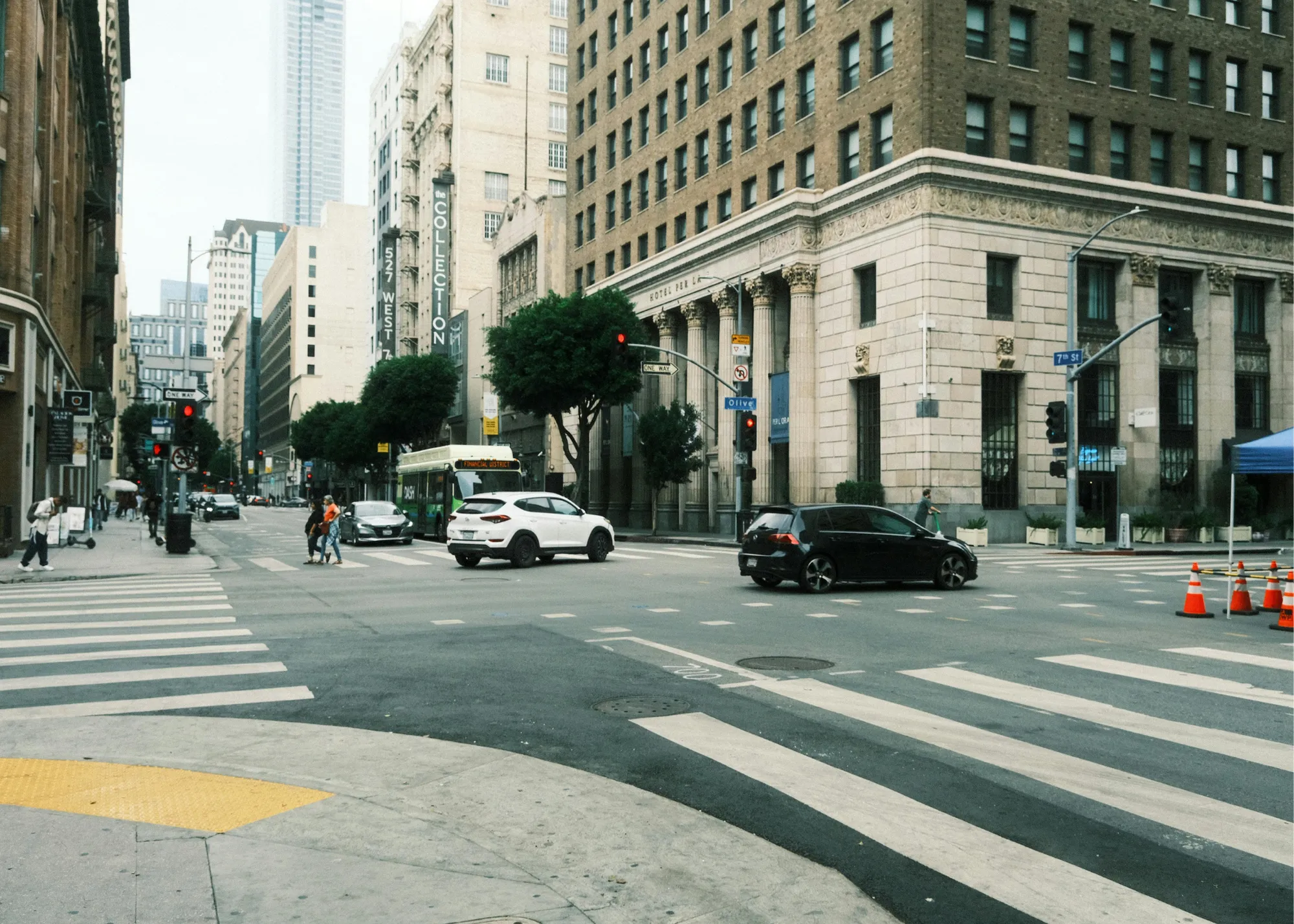
Huntsville is one of the fastest-growing cities in the Southeast. New employers, expanding defense contractors, and a thriving tech sector have pushed the metro population past 250,000 residents, and development shows no sign of slowing down. That growth brings undeniable economic opportunity, but it also brings more traffic, more construction, and more accidents on roads that were never designed for this volume.
The numbers tell a sobering story. The City of Huntsville reported 8,452 crashes within city limits in 2023. Madison County recorded 38 traffic fatalities in 2022. Behind every statistic is a real person dealing with injuries, medical bills, lost wages, and the uncertainty of what comes next.
Understanding where accidents happen most frequently in Huntsville can help you stay safer on the road. And if you are involved in a crash, knowing your rights is just as important as knowing the route. This guide breaks down the most dangerous roads and intersections in Huntsville, the types of accidents that occur at each, and what to do if you are in a collision.
Huntsville Crash Statistics at a Glance
Before we look at specific roads and intersections, here are the key data points that put Huntsville's traffic safety landscape in perspective.
- 8,452 crashes in Huntsville city limits (2023)
- 38 traffic fatalities in Madison County (2022)
- 13.7% of crashes caused by improper lane changes
- Vision Zero initiative launched by the City of Huntsville to reduce traffic deaths to zero
- 250,000+ metro population straining roads designed for smaller traffic volumes
Huntsville's population growth is outpacing its road infrastructure. Many of the corridors that carry the heaviest traffic today were built decades ago for a much smaller city. Lane widening projects, interchange redesigns, and signal timing improvements are underway across the metro area, but construction itself introduces new hazards. The City of Huntsville's Vision Zero initiative is a positive step, but reaching that goal will take years of sustained investment in road design, enforcement, and driver education.
Improper lane changes alone account for nearly 14% of all crashes, a figure that reflects the frustration drivers feel when they encounter congestion on roads like University Drive and Memorial Parkway. Aggressive driving decisions made in heavy traffic are one of the leading causes of collisions throughout the city.
The Most Dangerous Roads in Huntsville
Certain roads in Huntsville consistently appear in accident reports year after year. These corridors combine high traffic volumes, commercial vehicles, construction activity, and design limitations that make them especially hazardous. Here are the roads that demand extra caution.
University Drive (US-72)
University Drive is one of the busiest corridors in all of North Alabama. Running east-west through the heart of Huntsville, it carries a constant stream of passenger vehicles, delivery trucks, and commercial traffic past shopping centers, restaurants, car dealerships, and medical offices. The sheer number of driveways and intersections along University Drive creates a dangerous environment where through traffic moving at 45 to 55 miles per hour regularly encounters vehicles turning into or out of parking lots and side streets.
The stretch between Memorial Parkway and Jordan Lane is particularly hazardous. Speed differentials between through traffic and turning vehicles are severe, and sight lines are frequently obstructed by parked cars and commercial signage. Rear-end collisions are common here, as drivers are forced to brake suddenly for turning vehicles. Pedestrian accidents also occur with disturbing regularity in the commercial areas along University Drive, where crosswalks are few and foot traffic is heavy.
Memorial Parkway (US-231)
Memorial Parkway is Huntsville's primary north-south arterial, carrying traffic through the center of the city at speeds that frequently exceed 55 miles per hour. The Parkway's design, with limited-access sections transitioning into signalized intersections, creates a confusing mix of highway-speed and surface-street driving that many motorists struggle to navigate safely.
High-speed merging is a persistent problem, particularly during morning and evening rush hours. Commercial truck traffic adds another layer of danger, as tractor-trailers share lanes with passenger vehicles in construction zones where lane widths are reduced. The Memorial Parkway and University Drive interchange is one of the most hazardous locations in the entire city, combining high speeds, heavy volumes, and complex merging patterns. If you have been involved in an accident on Memorial Parkway, a Huntsville car and truck accident attorney can help you investigate the cause and pursue compensation.
I-565
Interstate 565 is Huntsville's primary connection to I-65 and the main route for commuters traveling between Huntsville and Decatur. The ongoing I-565 widening project, while necessary to accommodate growing traffic volumes, has created extended construction zones that present real hazards to drivers every day.
Construction zone hazards include lane shifts, reduced speed limits that many drivers ignore, uneven pavement, and temporary barriers that reduce margin for error. Merging issues at the I-65 interchange are particularly dangerous, as vehicles attempt to enter and exit the interstate in compressed zones with limited acceleration lanes. The Research Park Boulevard exit also sees frequent accidents due to heavy volumes of commuters entering and leaving Cummings Research Park. For more information about construction zone safety, see our guide on Huntsville construction zone accidents.
Research Park Boulevard
Research Park Boulevard serves as the main access route to Cummings Research Park, the second-largest research park in the United States, and Redstone Arsenal. The road carries enormous volumes of commuter traffic during morning and evening rush hours, creating dangerous congestion at key intersections.
Multiple construction projects along Research Park Boulevard in 2026 are adding to the hazard. Lane closures, equipment entering and exiting work zones, and shifting traffic patterns create an unpredictable driving environment. The combination of distracted commuters in a hurry, heavy construction activity, and intersections that lack adequate capacity for current traffic volumes makes this corridor one of the most accident-prone in the Huntsville metro area.
Wall Triana Highway
Wall Triana Highway has become significantly more dangerous in recent years as residential development in Madison has exploded. Subdivisions, apartment complexes, and commercial developments have been built along this corridor at a rate that has far outpaced road improvements. The road is carrying traffic volumes it was never designed to handle.
The Wall Triana and Trademark Drive intersection recorded 7 crashes in late 2025, many linked to construction activity and the resulting confusion over lane configurations and right-of-way. Growing residential traffic meets commercial and construction vehicles on a road with limited capacity, creating a dangerous bottleneck that is only getting worse as development continues.
The Most Dangerous Intersections in Huntsville
Intersections are where the risk of a serious collision is highest. Vehicles approaching from multiple directions, turning movements, signal changes, and pedestrians all create conflict points. These Huntsville intersections have earned their reputation as some of the most dangerous in the city.
University Drive at Memorial Parkway
This interchange is arguably the most dangerous location in Huntsville for motor vehicle accidents. The confluence of Huntsville's two busiest corridors creates an environment where high-speed Parkway traffic intersects with heavy commercial traffic on University Drive. Complex ramp configurations, short merging distances, and drivers making last-second lane changes to reach their exits contribute to frequent collisions. Both rear-end crashes and sideswipe accidents are common here.
University Drive at Jordan Lane
This signalized intersection sits in one of the most commercially dense sections of University Drive. Heavy left-turn volumes, frequent red-light running, and sight-line obstructions from adjacent commercial properties make this intersection especially dangerous. T-bone collisions are a particular concern, as drivers who run the signal or misjudge gaps in oncoming traffic are struck broadside at full speed.
Memorial Parkway at Governor's Drive
This intersection connects the high-speed Parkway with the medical district and downtown Huntsville. Traffic entering and exiting Huntsville Hospital, combined with commuter traffic and pedestrians crossing to reach medical offices, creates a chaotic environment. The speed differential between Parkway traffic and vehicles slowing to turn onto Governor's Drive is a major factor in rear-end collisions at this location.
Research Park Boulevard at Old Madison Pike
Rush hour congestion at this intersection is severe. Thousands of commuters converge here every morning and evening as they travel to and from Cummings Research Park and surrounding employers. Inadequate turn lane capacity and short signal cycles create frustration that leads to aggressive driving, red-light running, and dangerous last-second turns. Construction activity in the area has compounded the problem in 2026.
Wall Triana at Trademark Drive
As noted above, this intersection saw a cluster of 7 crashes in late 2025. Construction has altered the normal traffic flow, and drivers unfamiliar with the temporary lane configurations are making dangerous mistakes. Poor temporary signage and inadequate lighting in the construction zone contribute to the risk, particularly during evening hours.
I-565 at Research Park Boulevard Interchange
This interchange handles a massive volume of vehicles entering and exiting I-565 for Cummings Research Park. Short ramp distances, heavy merging traffic, and the ongoing I-565 widening project make this location especially treacherous. Merging accidents and rear-end collisions are the most common crash types here, particularly during the afternoon commute when westbound I-565 traffic is at its heaviest.
Common Types of Accidents at These Locations
The dangerous roads and intersections described above produce predictable patterns of accidents. Understanding these patterns can help you stay alert to the specific risks you face on your daily commute.
- Rear-end collisions are the most common accident type on Huntsville's dangerous roads. Heavy stop-and-go traffic on University Drive and Memorial Parkway, combined with distracted driving, leads to countless rear-end crashes every year. Even low-speed rear-end collisions can cause serious neck and back injuries.
- T-bone and broadside crashes occur at major intersections when drivers run red lights or fail to yield the right-of-way. These are among the most dangerous accident types because the side of a vehicle offers far less protection than the front or rear. Intersections like University Drive at Jordan Lane and Research Park Boulevard at Old Madison Pike see these crashes regularly.
- Merging accidents are common on Memorial Parkway and I-565, where high-speed traffic must merge in compressed zones. Failure to yield, blind spots, and inadequate acceleration lanes all contribute to sideswipe and broadside collisions during merging.
- Head-on collisions are less frequent but far more deadly. Construction zones with lane shifts, particularly on I-565 and Research Park Boulevard, create situations where confused or distracted drivers can cross into oncoming traffic. Even a momentary lapse in attention in a construction zone can have catastrophic consequences.
- Pedestrian accidents are a growing concern along University Drive's commercial corridors, where pedestrians must cross wide, high-speed roads to reach businesses, bus stops, and parking areas. Inadequate crosswalks and poor lighting contribute to pedestrian collisions, which frequently result in severe or fatal injuries.
What to Do If You're in an Accident on a Huntsville Road
If you are involved in a crash on any Huntsville road, the steps you take in the first hours and days after the accident can significantly affect your ability to recover compensation. Here is what you should do.
Move to safety if possible. Alabama's Move Over law requires drivers to move vehicles out of travel lanes when it is safe to do so. If your vehicle is drivable, pull it to the shoulder or a nearby parking lot to avoid a secondary collision. If the vehicle cannot be moved, turn on your hazard lights and stay inside with your seatbelt fastened until help arrives.
Call 911. Huntsville Police Department will respond and file an official crash report. This report is a critical piece of evidence for any insurance claim or lawsuit. Do not leave the scene without ensuring that a police report has been filed.
Document the scene with photos and video. Use your phone to capture images of all vehicle damage, skid marks, road conditions, traffic signals, construction signage, debris, and any visible injuries. Take wide-angle shots that show the overall scene as well as close-ups of specific damage. This evidence can be invaluable in proving how the accident occurred.
Get witness contact information. If anyone saw the accident, ask for their name and phone number. Witness testimony can be the deciding factor in disputes over who was at fault, and witnesses are much easier to locate immediately after the crash than weeks or months later.
Seek medical attention. Even if you feel fine at the scene, some injuries do not present symptoms for hours or days. Huntsville Hospital ER and Crestwood Medical Center are both equipped to handle accident injuries. Prompt medical documentation also creates a record linking your injuries to the accident, which is essential for your claim.
Contact a personal injury attorney before giving recorded statements. Insurance adjusters may contact you quickly after an accident. They may seem friendly and concerned, but their goal is to minimize the amount the insurance company pays. Anything you say in a recorded statement can be used to reduce or deny your claim. An attorney can advise you on what to say and what not to say.
Preserve dashcam footage. If your vehicle or any witness's vehicle has a dashcam, make sure that footage is saved before it is automatically overwritten. Dashcam video can provide objective evidence of how an accident occurred and is increasingly important in disputed liability cases.
How DeFatta Law Helps After Huntsville Accidents
When you are dealing with injuries from a car accident, local knowledge matters. An attorney who drives these roads, who knows how the University Drive and Memorial Parkway interchange creates dangerous merging conditions, who understands the construction patterns on I-565, and who has seen the congestion that builds at Research Park Boulevard during rush hour has a fundamental advantage in investigating your case.
At DeFatta Law Firm, we bring that local knowledge to every case we handle. We understand Madison County court procedures, we know how Huntsville Police Department crash reports are structured, and we have established relationships with local medical providers who can document your injuries thoroughly and professionally.
Our approach to car and truck accident cases is thorough and aggressive. We investigate the scene, obtain traffic camera footage when available, work with accident reconstruction experts when necessary, and build a case designed to maximize your compensation for medical bills, lost wages, pain and suffering, and other damages.
Alabama's contributory negligence rule makes it essential to work with an experienced attorney. Under this doctrine, if you are found to bear even a small percentage of fault for the accident, you can be completely barred from recovering any compensation. Insurance companies know this and will look for any opportunity to shift blame onto you. Having an attorney who understands this legal landscape and knows how to counter these tactics is critical to protecting your rights.
Frequently Asked Questions
What is the most dangerous road in Huntsville, Alabama?
University Drive (US-72) and Memorial Parkway (US-231) are consistently the most dangerous roads in Huntsville based on crash data and accident frequency. University Drive carries heavy commercial traffic through a corridor lined with businesses, creating constant conflicts between high-speed through traffic and vehicles turning into driveways and parking lots. The stretch between Memorial Parkway and Jordan Lane is especially hazardous due to the density of commercial driveways and intersections. Memorial Parkway's mix of highway-speed sections and signalized intersections creates confusion for drivers transitioning between environments, and significant commercial truck traffic adds additional risk for passenger vehicles. The interchange where these two major roads meet combines the worst hazards of both corridors and is one of the most dangerous locations in the entire city for motor vehicle accidents. If you have been injured in an accident on either of these roads, consulting with a local personal injury attorney is an important first step.
How many car accidents happen in Huntsville each year?
The City of Huntsville reported 8,452 crashes within city limits in 2023, and Madison County recorded 38 traffic fatalities in 2022. These numbers have been trending upward in recent years as Huntsville's rapid population growth puts increasing pressure on a road network originally designed for much smaller traffic volumes. Improper lane changes account for 13.7% of all crashes, reflecting the frustration and aggressive driving behavior that congested conditions produce. The city's Vision Zero initiative aims to reduce traffic deaths to zero through a combination of road design improvements, better enforcement, and public education, but achieving that goal will require sustained effort over many years as the metro area continues to grow past 250,000 residents. These statistics underscore the importance of defensive driving and knowing your legal rights if you are involved in a collision on Huntsville roads.
What should I do after a car accident in Huntsville?
After a car accident in Huntsville, your first priority is safety. Move your vehicle out of traffic if possible under Alabama's Move Over law. Call 911 so that Huntsville Police Department responds and files an official crash report, which will be essential for any future insurance claim or legal action. Document the scene thoroughly with photos and video, capturing vehicle damage, road conditions, traffic signals, construction zones, and any visible injuries. Get contact information from any witnesses at the scene. Seek medical attention promptly at Huntsville Hospital ER or Crestwood Medical Center, even if you feel fine, as some injuries take hours or days to become apparent and delayed treatment can weaken your claim. Preserve any dashcam footage before it is automatically overwritten. Contact a personal injury attorney before giving any recorded statements to insurance companies, as adjusters will attempt to minimize your claim using your own words against you.
Can I get compensation if I was hit at a dangerous intersection?
If another driver's negligence caused your accident at a dangerous intersection, you may be entitled to compensation for medical bills, lost wages, pain and suffering, property damage, and other losses. However, Alabama follows the doctrine of contributory negligence, one of the strictest fault standards in the country. Under this rule, if you are found to bear even a small percentage of fault for the accident, you can be completely barred from recovering any compensation. This makes it essential to work with an experienced attorney who can build a strong case establishing the other driver's sole liability. In some cases, poor intersection design, inadequate signage, or construction zone hazards may also create liability for a government entity or construction contractor, opening additional avenues for compensation. An attorney familiar with Huntsville's roads and local court procedures can investigate all potential sources of recovery on your behalf.
Does Huntsville's road construction increase accident risk?
Yes, road construction significantly increases accident risk across Huntsville. With nearly $389 million in active road projects, the I-565 widening project, development along Research Park Boulevard, and residential construction in Madison all create hazardous conditions for drivers on a daily basis. Construction zones introduce lane shifts, reduced speed limits, uneven pavement, temporary barriers, confusing signage, and construction vehicles entering and exiting the roadway at slow speeds. The Wall Triana Highway and Trademark Drive intersection experienced 7 crashes in late 2025 linked directly to construction activity in the area. Head-on collisions, rear-end crashes, and sideswipe accidents all increase in frequency within construction zones. If you are injured in a construction zone accident, liability may extend to the construction company responsible for maintaining safe conditions or the government entity that approved the traffic control plan, in addition to any negligent driver involved in the crash.
How long do I have to file a car accident claim in Alabama?
In Alabama, the statute of limitations for personal injury claims arising from a car accident is two years from the date of the accident under Alabama Code Section 6-2-38 (Ala. Code § 6-2-38). If you do not file a lawsuit within this two-year window, you will almost certainly lose your right to seek compensation. Wrongful death claims also carry a two-year statute of limitations from the date of death. While two years may seem like a long time, evidence degrades quickly. Surveillance footage is overwritten, witnesses move away or forget details, and physical evidence at the scene disappears. The sooner you contact an attorney, the stronger your case will be. Do not assume you can afford to wait. Consult with an experienced personal injury attorney promptly to protect your legal rights and preserve the critical evidence needed to build a strong case.
This article is for informational purposes only and does not constitute legal advice. Every case is different. If you have been in an accident, consult an attorney about your specific situation.
If you've been injured on one of Huntsville's dangerous roads or at a high-risk intersection, contact DeFatta Law Firm at 256-257-4674 for a free consultation. We know these roads — and we know how to fight for your rights.