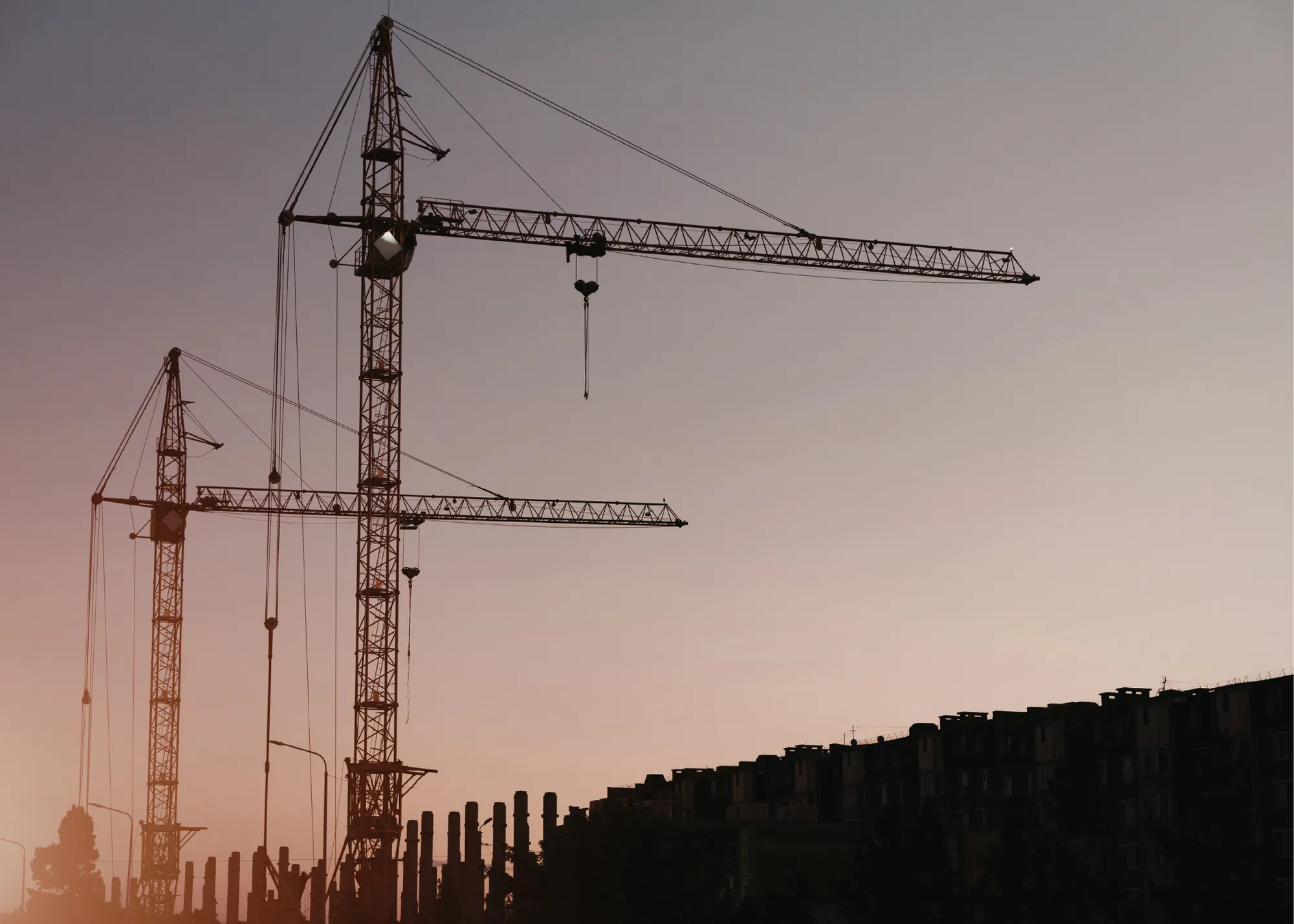
Huntsville is booming. The Rocket City's explosive growth has brought with it an unprecedented wave of road construction, with nearly $389 million in active road construction projects reshaping the city's infrastructure in 2026. From the massive I-565 widening to Holmes Avenue improvements and the Northern Bypass extension, construction zones have become a daily reality for Huntsville commuters.
But with construction comes danger. Lane shifts, confusing signage, scattered debris, and reduced speed zones create hazardous driving conditions that catch even careful motorists off guard. Rear-end collisions, sideswipe accidents, and crashes involving construction workers and equipment are all too common in these zones. If you have been in a construction zone accident in Huntsville or anywhere in North Alabama, determining who is liable can be surprisingly complex.
This guide breaks down what you need to know about construction zone accidents in Huntsville, who may be responsible for your injuries, and how to protect your rights under Alabama law.
Huntsville's 2026 Construction Boom
Huntsville's growth as the largest city in Alabama has accelerated the need for major road infrastructure investments. The Alabama Department of Transportation (ALDOT) and the City of Huntsville are running multiple large-scale projects simultaneously, creating a web of construction zones across the metro area.
The major projects currently active or recently completed include:
- I-565 Widening — This is the single biggest project, expanding the interstate corridor to accommodate the region's rapidly growing traffic volume. The project spans several miles and involves complex interchange modifications that require frequent lane closures and shifts.
- Holmes Avenue Reconstruction — A major overhaul of one of Huntsville's key east-west corridors, this project has required lane reductions, detours, and ongoing construction activity in a heavily traveled area near downtown.
- Northern Bypass Extension — Designed to ease congestion in North Huntsville, this project introduces new road segments and tie-ins with existing highways, creating unfamiliar driving patterns for motorists.
- Research Park Boulevard Improvements — Serving the Cummings Research Park area and its thousands of daily commuters, this project has added construction barriers, temporary lane markings, and reduced speed zones along a critical tech corridor route.
- Memorial Parkway Construction — One of Huntsville's busiest north-south routes continues to see construction activity, with ongoing improvements creating stop-and-go conditions during peak hours.
These simultaneous projects mean that on any given day, Huntsville drivers may encounter multiple construction zones during a single commute. The sheer volume of active work zones increases the statistical likelihood of accidents.
One notable example is the Wall Triana Highway and Trademark Drive intersection, where seven reported crashes occurred in late 2025 due to construction-related conditions. When intersections and corridors undergo significant changes, drivers are forced to navigate unfamiliar patterns, and accidents follow.
Common Causes of Construction Zone Accidents
Construction zone accidents happen for a variety of reasons, and the cause of the crash is a key factor in determining who may be held liable. Based on patterns we see across North Alabama, the most common causes include:
- Lane shifts without adequate warning — Drivers are directed into unfamiliar lane patterns with minimal advance notice, often leading to sideswipe collisions and confusion.
- Confusing or missing signage — When signs are knocked down, obscured by equipment, or poorly placed, drivers lack the information they need to navigate safely.
- Debris on the roadway — Gravel, dirt, metal scraps, and other construction materials on the road surface can cause loss of vehicle control or damage that leads to a crash.
- Workers or equipment encroaching on travel lanes — When construction activity extends into active traffic lanes without proper barriers, the risk of catastrophic collisions rises sharply.
- Reduced speed zones — While reduced speeds are designed to improve safety, the speed differential between drivers who slow down and those who do not creates dangerous tailgating and rear-end collision scenarios.
- Poor lighting at night — Many construction zones lack adequate lighting, making it difficult for drivers to see lane changes, barriers, or workers during nighttime hours.
- Uneven road surfaces or steel plates — Temporary road surfaces, potholes, and steel plates covering trenches can cause vehicles to lose traction or control, especially motorcycles.
- Sudden lane closures — Unexpected lane closures force drivers to merge abruptly, increasing the chance of collisions in already congested areas.
Understanding what caused your accident is the first step in building a strong claim. An experienced personal injury attorney can investigate the scene, obtain traffic control plans, and determine whether the construction zone met safety standards.
Who Is Liable for a Construction Zone Accident?
One of the most challenging aspects of construction zone accident cases is that multiple parties may share liability. Unlike a straightforward two-car collision, a construction zone crash can involve several entities with overlapping responsibilities for safety.
The Other Driver
If another motorist was speeding through the construction zone, following too closely, driving while distracted, or failing to obey posted signs, they may be primarily liable for the crash. Car and truck accidents in construction zones frequently involve drivers who fail to reduce speed or pay attention to changed road conditions.
The Construction Company
The general contractor responsible for the construction project has a legal duty to maintain safe conditions in and around the work zone. If the company failed to provide adequate signage, safe barriers, proper flagging operations, or a compliant traffic control plan, they may be liable for accidents that result. Construction companies must follow standards set by the Manual on Uniform Traffic Control Devices (MUTCD) and their project-specific traffic management plans.
Subcontractors
Large construction projects like the I-565 widening involve numerous subcontractors, each responsible for specific aspects of the work. A subcontractor handling signage, striping, or barrier placement may be independently liable if their negligence contributed to the accident. Identifying the responsible subcontractor requires a thorough investigation of the project's contractual structure.
The City of Huntsville or ALDOT
Government entities that own and manage the roadways can also bear liability. If ALDOT or the City of Huntsville failed to properly oversee the construction project, approved a deficient traffic control plan, or failed to address known hazardous conditions, they may be held responsible. However, claims against government entities come with special rules and shorter deadlines under Alabama's sovereign immunity doctrine, which we discuss in detail below.
Equipment Manufacturers
In some cases, defective construction zone equipment such as barriers, crash attenuators, signs, or temporary traffic signals may contribute to the severity of an accident. If a barrier failed to perform as designed or a sign was defectively manufactured, the equipment manufacturer could face a product liability claim.
Because multiple parties may be at fault, construction zone accident cases require a careful and thorough investigation. An attorney experienced in personal injury litigation can identify all responsible parties and pursue claims against each one.
Alabama's Contributory Negligence in Construction Zones
Alabama is one of only a handful of states that still follows the contributory negligence doctrine. Under this rule, if you are found to have been even partially at fault for the accident, you may be completely barred from recovering any compensation. This makes Alabama one of the most difficult states in the country for personal injury plaintiffs.
In the context of construction zone accidents, contributory negligence can become a powerful defense weapon. If you were exceeding the posted work zone speed limit, were distracted by your phone, or failed to obey a flagger's instructions, the defense may argue that your own negligence contributed to the crash and that you should recover nothing.
However, contributory negligence is not always a death sentence for your claim. Important exceptions may apply, including:
- Wanton misconduct — If the at-fault party's conduct was especially reckless or wanton, contributory negligence may not bar recovery.
- Last clear chance — If the defendant had the last clear opportunity to avoid the accident, your contributory negligence may be excused.
- Unsafe conditions regardless of speed — If the construction zone created a dangerous condition that would have caused an accident regardless of your driving, contributory negligence may not apply.
For a detailed explanation of how contributory negligence works in Alabama and the exceptions that may save your claim, read our comprehensive guide: Alabama's Contributory Negligence Rule: What Injury Victims Need to Know.
What to Do After a Construction Zone Accident in Huntsville
The steps you take immediately after a construction zone accident can significantly impact your ability to recover compensation. Here is what you should do:
- Move to safety. If your vehicle is drivable and it is safe to do so, move out of the active travel lanes and construction area. Turn on your hazard lights to alert other drivers.
- Call 911 and report the accident. Contact the Huntsville Police Department or the appropriate law enforcement agency. A police report is a critical piece of evidence in any accident claim.
- Document the scene thoroughly. Take photographs and video of everything: the lane configuration, signage (or lack thereof), debris, road surface conditions, barriers, traffic cones, lighting conditions, and any construction equipment near the road. This evidence can disappear quickly as construction progresses.
- Get witness information. Collect names and phone numbers from any witnesses, including construction workers who may have seen the accident. Their testimony can be invaluable.
- Seek medical attention promptly. Even if you feel fine at the scene, some injuries take hours or days to manifest. Go to the emergency room or see your doctor as soon as possible. Medical records linking your injuries to the accident are essential for your claim.
- Do not give recorded statements without an attorney. Insurance adjusters for the construction company, the government, or the other driver's insurer may contact you quickly. Do not provide a recorded statement until you have consulted with a lawyer. Anything you say can be used to argue contributory negligence.
- Contact a personal injury lawyer. Construction zone accident cases are complex, often involving multiple defendants, government entities, and the threat of contributory negligence. An experienced attorney can begin investigating immediately, preserve evidence, and protect your rights.
Time is especially critical in construction zone cases. The construction site will continue to change daily, and evidence of hazardous conditions may be corrected, altered, or destroyed. The sooner an attorney can document the scene and obtain records, the stronger your case will be.
Government Liability and Shorter Deadlines
When ALDOT or the City of Huntsville is potentially liable for a construction zone accident, your case becomes more complex. Government entities in Alabama enjoy certain protections under sovereign immunity, but they are not entirely immune from liability.
The Alabama Tort Claims Act (Ala. Code § 11-93-1 et seq.) governs claims against municipalities and counties in Alabama. Under this statute, cities like Huntsville can be held liable for negligent maintenance or supervision of roadways, but there are important limitations:
- Notice requirements — You may need to file a formal notice of claim within a specific period before you can file a lawsuit against the municipality. Failure to provide proper notice can permanently bar your claim.
- Damage caps — The Alabama Tort Claims Act imposes caps on the amount of damages that can be recovered from a municipal defendant.
- Specific immunities — Certain governmental functions may be immune from liability, while proprietary functions are not. The distinction matters in construction zone cases.
For claims against ALDOT (a state agency), the process and applicable rules may differ from municipal claims. State agencies have their own procedures for submitting claims, and the deadlines can be strictly enforced.
The general statute of limitations for personal injury claims in Alabama is two years from the date of the accident (Ala. Code § 6-2-38). However, government claims may have shorter internal deadlines that must be met before the statute of limitations even becomes relevant. Missing these early deadlines is one of the most common and devastating mistakes accident victims make.
If your accident involved a government-managed road project, consult an attorney immediately. Do not wait.
Frequently Asked Questions
Who is responsible for accidents in construction zones in Alabama?
Liability in a construction zone accident in Alabama can fall on multiple parties depending on the specific circumstances of the crash. The other driver may be at fault if they were speeding, distracted, or driving recklessly through the work zone. The construction company or its subcontractors may be liable if they failed to provide adequate signage, safe barriers, or proper traffic control measures. In some cases, the government entity overseeing the project, such as ALDOT or the City of Huntsville, may bear responsibility if the road design or maintenance was deficient. Equipment manufacturers can also be liable if defective barriers or signs contributed to the crash. An experienced personal injury attorney can investigate the accident scene, obtain the traffic control plan, and identify all potentially liable parties to ensure you pursue the full compensation you deserve.
Can I sue the construction company for a work zone accident?
Yes, you may be able to sue a construction company if their negligence contributed to your accident. Construction companies have a legal duty to maintain safe conditions in and around work zones, including proper signage, adequate barriers, flaggers when necessary, and clear lane markings. They are required to follow the standards set forth in the Manual on Uniform Traffic Control Devices (MUTCD) and their project-specific traffic control plan. If the company failed to comply with these requirements, this can serve as compelling evidence of negligence. You may also have a claim against subcontractors who were responsible for specific aspects of the work zone safety. An attorney can review the specifics of your case, obtain the project's traffic control plan from ALDOT or the city, and determine whether the construction company breached its duty of care to motorists.
What if I was speeding when I crashed in a construction zone?
Alabama follows the contributory negligence rule, which is one of the strictest negligence standards in the country. Under this doctrine, if you were found to be even partially at fault for the accident, including by exceeding the posted speed limit in a construction zone, you could potentially be barred from recovering any compensation. However, there are important exceptions that may preserve your claim. If the construction company created a dangerous condition that would have caused an accident regardless of your speed, or if the posted speed limit was unreasonable or the signage was inadequate, you may still have a viable case. The wanton misconduct exception may also apply if the defendant's conduct was especially reckless. Every situation is different, and an attorney can evaluate whether exceptions to the contributory negligence rule apply to your specific circumstances.
How do I file a claim against the City of Huntsville or ALDOT?
Filing a claim against a government entity in Alabama requires strict compliance with specific procedural rules that differ from standard personal injury lawsuits. For municipal claims against the City of Huntsville, the Alabama Tort Claims Act (Ala. Code § 11-93-1 et seq.) applies and may require you to provide formal written notice of your claim within a designated timeframe before you are permitted to file a lawsuit. For state agency claims against ALDOT, separate procedures and deadlines apply. Government entities also enjoy certain immunities and damage caps that do not apply to private defendants. Because missing a required notice deadline can permanently bar your claim regardless of how strong your case may be, it is critical to consult a personal injury attorney as soon as possible after a construction zone accident involving a government-managed road project.
What compensation can I recover from a construction zone accident?
If you were injured in a construction zone accident in Alabama and another party was at fault, you may be entitled to recover several categories of compensation. Economic damages include your medical expenses both past and future, lost wages and income during recovery, loss of future earning capacity if your injuries are long-term, and property damage to your vehicle. Non-economic damages may include compensation for pain and suffering, emotional distress, loss of enjoyment of life, and mental anguish caused by the accident and your injuries. In rare cases involving especially reckless or wanton conduct by the defendant, punitive damages may also be available to punish the wrongdoer and deter similar behavior. If a loved one was killed in a construction zone accident, the family may pursue a wrongful death claim. The total value of your case depends on the severity of your injuries, the strength of the liability evidence, and the at-fault party's insurance coverage.
How long do I have to file a claim after a construction zone accident in Alabama?
In Alabama, the general statute of limitations for personal injury claims is two years from the date of the accident, as established by Ala. Code § 6-2-38. This means you must file your lawsuit within two years or risk losing your right to pursue compensation entirely. However, if your claim involves a government entity such as ALDOT or the City of Huntsville, shorter internal deadlines may apply. Municipal claims under the Alabama Tort Claims Act may require formal notice of your claim within a specified period, and failure to comply with this requirement can result in your claim being permanently barred even if the two-year statute of limitations has not yet expired. Additionally, because evidence from construction zones can disappear quickly as projects progress, road conditions change, and temporary configurations are removed, it is important to contact an attorney as soon as possible after your accident to preserve critical evidence and protect your right to file a claim.
If you have been injured in a construction zone accident in Huntsville or North Alabama, contact DeFatta Law Firm at 256-257-4674 for a free consultation. We know these roads, these projects, and the law. Let us put that knowledge to work for you.